Korean Skincare Routine for Beginners: The 4 Steps That Actually Matter
You don't need 10 steps. A simple Korean skincare routine for beginners, what each step does, what order to use products in, and what you can skip at first.
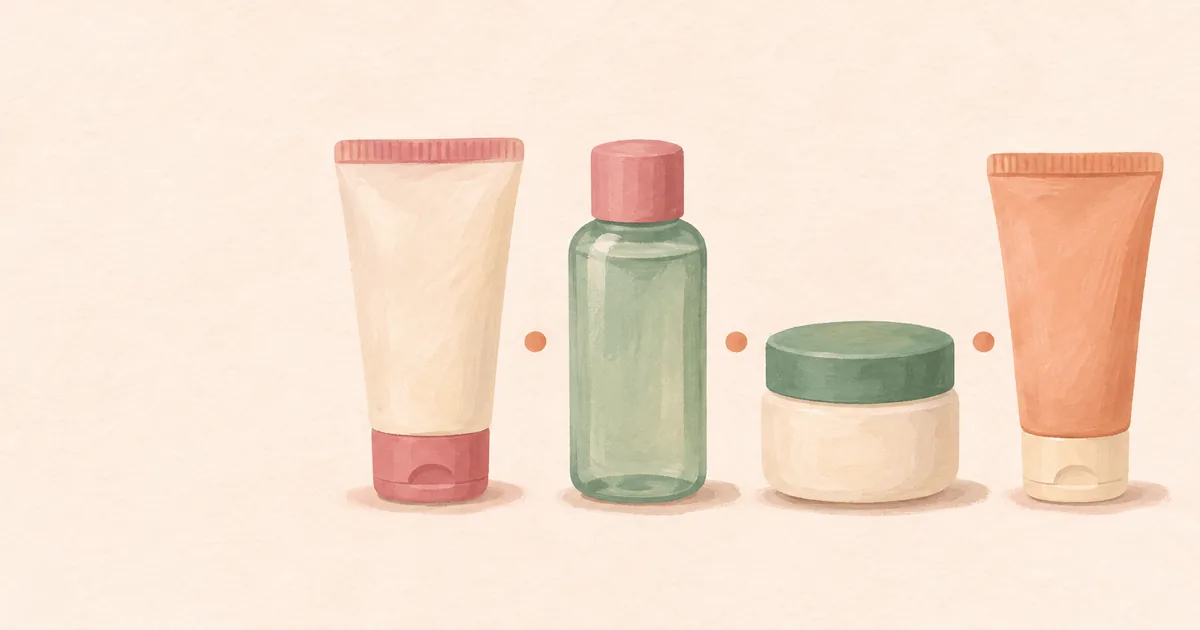
The famous "10-step Korean skincare routine" is more of a menu than a rule. Most people get the benefit from four steps: cleanse, hydrate, moisturize and, in the morning, sunscreen. Start there, give your skin a few weeks, and add extras only if you have a reason to.
This is a research-based guide, not a dermatologist's advice. If you have a skin condition, start with a doctor.
The short version
| Step | Morning | Evening | Why |
|---|---|---|---|
| 1. Cleanser | Optional (water or a gentle gel) | Yes | Removes sunscreen, oil and dirt |
| 2. Toner or essence | Optional | Optional | Adds a light layer of hydration |
| 3. Moisturizer | Yes | Yes | Helps keep skin from feeling tight and dry |
| 4. Sunscreen | Yes | No | Protects from UV, the step that matters most |
Step 1: Cleanse (and when to double cleanse)
In the evening, wash off the day. A low-pH gel or foam cleanser is the usual Korean pick because it cleans without leaving skin squeaky and tight.
Double cleansing means using an oil-based cleanser first, then a water-based one. It is useful when you wear sunscreen or makeup, because oils dissolve them more easily. If you wear neither, one gentle cleanser is enough.
- Massage a cleansing oil or balm onto dry skin, add a little water until it turns milky, then rinse.
- Follow with a pea-sized amount of gel or foam cleanser.
- Pat dry. Rubbing with a towel is one of the easiest ways to irritate skin.
Step 2: Toner or essence (optional)
Korean toners are usually watery, hydrating liquids, not the alcohol-heavy astringents some of us grew up with. Essences sit between a toner and a serum. Either one adds a light layer of water-based hydration. Not sure which is which? See toner vs essence vs serum vs ampoule.
If your skin feels fine after cleansing and moisturizing, you can skip this step entirely. If it often feels tight, a hydrating toner is a cheap first upgrade.
Step 3: Moisturize
A moisturizer helps hold that hydration in. Rough guide by skin type:
- Oily or acne-prone: gel or gel-cream textures.
- Normal or combination: light lotions or creams.
- Dry: richer creams; look for ceramides, glycerin or squalane on the label.
Step 4: Sunscreen, every morning
If you only add one product, make it sunscreen. Korean sunscreens are popular because many feel like a light moisturizer and don't leave a white cast. Apply it as the last skincare step in the morning. The American Academy of Dermatology recommends SPF 30 or higher with broad-spectrum protection, at least 1 teaspoon for the face, and reapplying every two hours when you're outdoors.
Read our guide to Korean sunscreens for picks by skin type and a note on country rules for UV filters.
What order do products go in?
Thinnest to thickest: cleanser → toner → essence → serum → moisturizer → sunscreen (morning). Give each layer a few seconds to sink in. If a product's instructions say otherwise, follow the label.
The beginner rule
Add one new product at a time and wait about two weeks before adding another. If your skin reacts, you'll know which product caused it. Patch-test on a small area first.
What you can skip at first
- Sheet masks. Nice, not necessary.
- Exfoliating acids (AHA, BHA). Useful later, but they can irritate when combined with other new products. Wait until your basic routine is settled.
- Multiple serums. One targeted serum is plenty to start. See niacinamide explained if you want a gentle first serum.
Where to buy Korean skincare
Large online shops that specialise in Korean beauty ship internationally and carry most of the brands in our guides. Compare shipping costs and delivery times for your country before you order.
Sources
Checked on November 15, 2026:
- American Academy of Dermatology, How to apply sunscreen: https://www.aad.org/public/everyday-care/sun-protection/shade-clothing-sunscreen/how-to-apply-sunscreen
- Product-type descriptions in this guide are general; it makes no claims about specific products.
Research-based guide, not a first-hand product test.
Not medical advice
This guide is general cosmetic information. Patch-test new products, and see a dermatologist for skin conditions, persistent irritation or anything that worries you. Formulas and sizes change, so check the label of the product you buy.